Why Professional Learning Experiences Fail (And How to Design Ones People Want to Attend)
September 1, 2026

Every year, organizations invest significant time and energy into creating opportunities for people to learn together.
Professional learning communities.
Collaborative planning teams.
Affinity groups.
Communities of practice.
Leadership cohorts.
The intention is almost always the same: create more connection, more collaboration, and more opportunities for people to learn from one another.
And yet, many of these experiences struggle to gain momentum. Attendance is low, participation is inconsistent, and conversations are surface-level.
Eventually, what was designed to energize and connect people becomes just another thing on the calendar.
The problem usually isn't that people don't care about learning. It's that the experience wasn't designed in a way that makes adults want to participate. Thoughtful facilitation, a clear purpose, meaningful participation, and intentional relationship-building often have a greater impact on engagement than the learning structure itself.
If you've ever watched this happen, it can be incredibly discouraging.
The instinct wasn't wrong. People probably did need more opportunities to connect and learn together.
The challenge is that good intentions and blocks on the calendar don't automatically create meaningful learning experiences
Thoughtful design does.
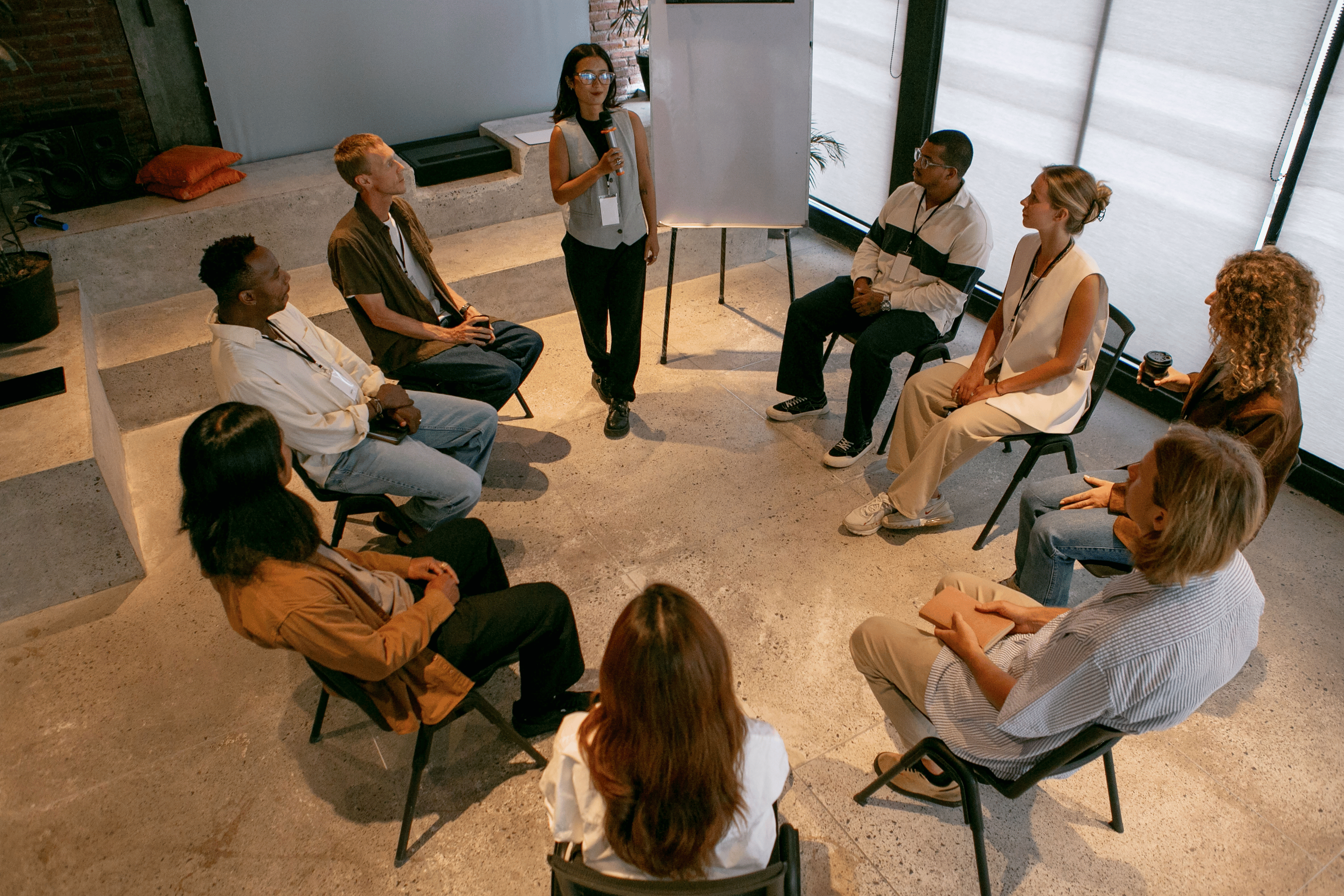
Imagine a district launches monthly professional learning communities because teachers have asked for more opportunities to collaborate. The first meeting is full of energy. People are excited to reconnect, share ideas, and solve problems together.
By the third meeting, a few people arrive late. Participation starts to feel uneven. Conversations stay polite but surface-level. Some participants begin checking email while others carry the discussion. Before long, attendance drops and the group earns an unfortunate reputation as "just another meeting."
The need for collaboration never disappeared. The opportunity simply wasn't designed in a way that made people want to keep coming back.
Whether you're leading a school-based PLC, facilitating a workshop, designing a leadership retreat, or planning a customer success workshop for a product or platform, the principles are the same. Designing and facilitating workshops with intentionality has just as much influence on engagement as the content itself.
Why Professional Learning Experiences Lose Engagement
When a professional learning experience struggles, it's tempting to assume the solution is to change the structure—meet less often, change up the facilitators, add more participant accountability.
Sometimes those changes help. But more often, the challenge isn't the structure itself. It's that the experience wasn't intentionally designed from the participant's perspective.
Adults make decisions about whether something is worth their time very quickly.
They're asking themselves questions like:
Why am I here?
Will I leave with something valuable?
Do I feel comfortable contributing?
Will my ideas matter?
Is this helping me solve real challenges?
If the experience doesn't answer those questions early, participation naturally declines.
Whether you're leading a workshop, a recurring learning community, or a team meeting, strong workshop design and thoughtful meeting facilitation begin by considering the participant experience—not just the agenda.
Four Elements of Professional Learning That People Want to Return To
The most engaging professional learning experiences aren't defined by charismatic facilitators or polished presentations (though those help). They're intentionally designed around a few core principles.
Thoughtful design doesn't guarantee success, but it dramatically increases the likelihood that people will stay engaged over time.
1. A Clear Purpose
Participants should understand why the experience exists before they walk into the room.
Not just the items on the agenda—the purpose.
Why are we gathering?
What problem are we trying to solve together?
How will this support our work?
When people understand the "why," they're much more likely to invest in the process.
2. Trust Before Vulnerability
Many professional learning experiences ask people to share challenges, reflect honestly, or give feedback before enough trust has been established.
Meaningful collaboration requires psychological safety—the shared belief that people can ask questions, admit mistakes, offer ideas, and disagree respectfully without fear of embarrassment or punishment.
People are far more willing to contribute when they've had opportunities to build relationships and feel respected by the people in the room.
Trust doesn’t just happen alongside learning. It's part of the learning design.
This is especially important when facilitating difficult conversations or leading equity-focused professional development, where participants need to feel both challenged and supported.
3. Meaningful Participation
Adults learn by thinking, discussing, practicing, reflecting, and making meaning with others.
The most engaging professional learning experiences create regular opportunities for participants to contribute rather than simply consume. And these opportunities are grounded in the purpose of the session.
For example, instead of beginning with a 45-minute presentation, invite participants to solve a real problem together, reflect individually before discussing with partners, or analyze a case study they recognize from their own work.
For anyone learning how to facilitate adult learning, this shift is essential. Effective PD facilitation isn't about delivering information—it's about creating the conditions for adults to think, connect, and apply new learning together.
4. An Experience Worth Returning To
People don't engage meaningfully just because a meeting exists on their calendar. They are present and engaged when they trust the session will leave them with something valuable:
- A new idea
- A practical strategy
- A meaningful conversation
- A stronger sense of connection
When people consistently leave feeling that their time was well spent, engagement becomes much easier to sustain.
Design Is What Brings Good Intentions to Life
When a professional learning community, collaborative team, professional development workshop, or leadership cohort struggles, it doesn't necessarily mean the idea of bringing people together was wrong.
Often, the original instinct was exactly right.
People did need more opportunities to connect.
They did need more opportunities to learn together.
The difference between an experience people tolerate and one they genuinely look forward to is often intentional design.
The way people are welcomed.
The clarity of the purpose.
The opportunities to participate.
The trust that's intentionally cultivated over time.
Those details may seem small, but they're often what transform a well-intentioned initiative into a meaningful learning experience.
Whether you're leading a single workshop or developing your long-term workshop facilitation practice, investing in intentional design will have a lasting impact on participant engagement and learning.
Key Takeaways
Professional learning experiences are more likely to succeed when they:
- Begin with a clear purpose
- Build trust before asking for vulnerability
- invite meaningful participation
- Consistently provide value worth returning for
Great facilitation isn't just about delivering content. It's about intentionally designing learning experiences that adults want to be part of.
Continue Learning
If you're looking to learn more about designing a learning experience rooted in purpose, watch this free Ask Elena recording.
Experiencing resistance from participants? Download our free Notice. Get Curious. Respond. guide.
If you’re not sure what you need, browse all of our free PD content.
If you're ready to go even deeper, the Facilitation Studio offers ongoing facilitation training in adult learning workshop design, PD facilitation, and designing engaging learning experiences for educators, coaches, consultants, and organizational leaders.



Bright Morning Podcast